
Chloramine in Ontario Tap Water: What It Means for Your Home (And How to Remove It)
Introduction: Why Your Water Tastes Different Lately
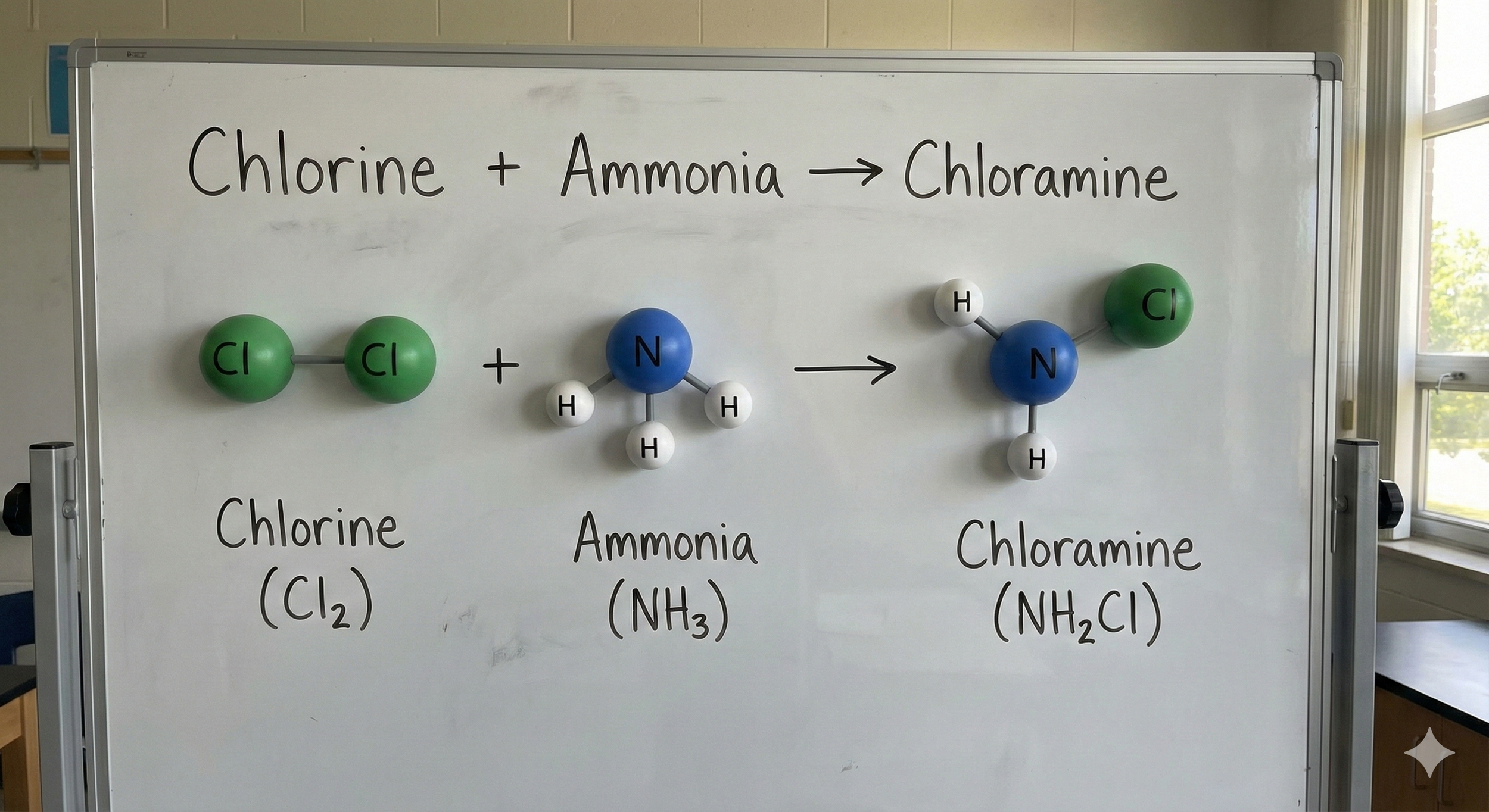
Many Ontario homeowners — especially in Kitchener, Waterloo, Cambridge, and Guelph — have started noticing changes in the taste and smell of their tap water. One major reason is the growing use of chloramine in Ontario’s water treatment systems. Chloramine is a disinfectant made by combining chlorine with ammonia, and municipalities use it because it lasts longer in the distribution system than chlorine alone.
What Is Chloramine?
Chloramine is a disinfectant made by combining chlorine with a small amount of ammonia. Many Ontario municipalities use it to keep tap water safe as it travels through long distribution systems. Because the ammonia helps stabilize the chlorine, chloramine stays active much longer than chlorine on its own — which is useful for cities, but creates different challenges for homeowners.
Unlike regular chlorine, chloramine doesn’t evaporate or break down quickly. That means it’s much harder to remove with basic carbon filters or by letting water sit out on the counter. And even though it behaves differently in the water system, it still carries many of the same household effects people associate with chlorine: a flat or chemical taste, lingering odour, and potential dryness for sensitive skin.
Why Municipalities Use Chloramine in Ontario
Cities often switch to chloramine because it’s more stable, produces fewer regulated byproducts, and can be more cost‑effective for large treatment systems. For homeowners, though, understanding this difference is important — because removing chloramine requires a different type of filtration than removing chlorine.
From a municipal perspective, chloramine isn’t “bad” — it’s simply a practical tool for keeping water safe as it moves through the system. But inside the home, it behaves differently. Because chloramine is harder to remove and still carries many of the same taste, odour, and skin‑drying effects, homeowners often notice its presence more than the city does. That’s why understanding how chloramine works — and how to filter it — matters for anyone who wants better‑tasting, gentler water at home.
The Real‑World Effects Homeowners Notice
Most homeowners don’t think about chloramine until they start noticing small but frustrating changes around the house. Because chloramine is more stable than chlorine, it stays in your water longer — which means its effects show up in everyday routines.
Flat or Chemical Taste
Chloramine can give tap water a flat, slightly chemical taste that doesn’t go away even if you let the water sit out. Unlike chlorine, chloramine doesn’t evaporate, so the taste lingers in drinking water, coffee, tea, and cooking.

Dry or Itchy Skin
People with sensitive skin often notice more dryness or irritation when their home’s water contains chloramine. It behaves similarly to chlorine, which means it can strip natural oils from the skin and leave hair feeling coarse or dull.
Faded Clothes and Stiff Laundry

Chloramine can contribute to faster fading of fabrics and leave laundry feeling stiff or less vibrant over time. Because it doesn’t break down easily, it continues reacting with fabrics during washing.
Rubber Seals and Plumbing Components Wearing Out Faster
Chloramine is known to degrade rubber components more quickly than chlorine. Homeowners may see premature wear in:
washing machine hoses
toilet flappers
dishwasher seals
faucet O‑rings
water softener parts
This can lead to leaks, appliance issues, and unexpected maintenance costs.
Problems for Aquariums, Hydroponics, and Medical Devices
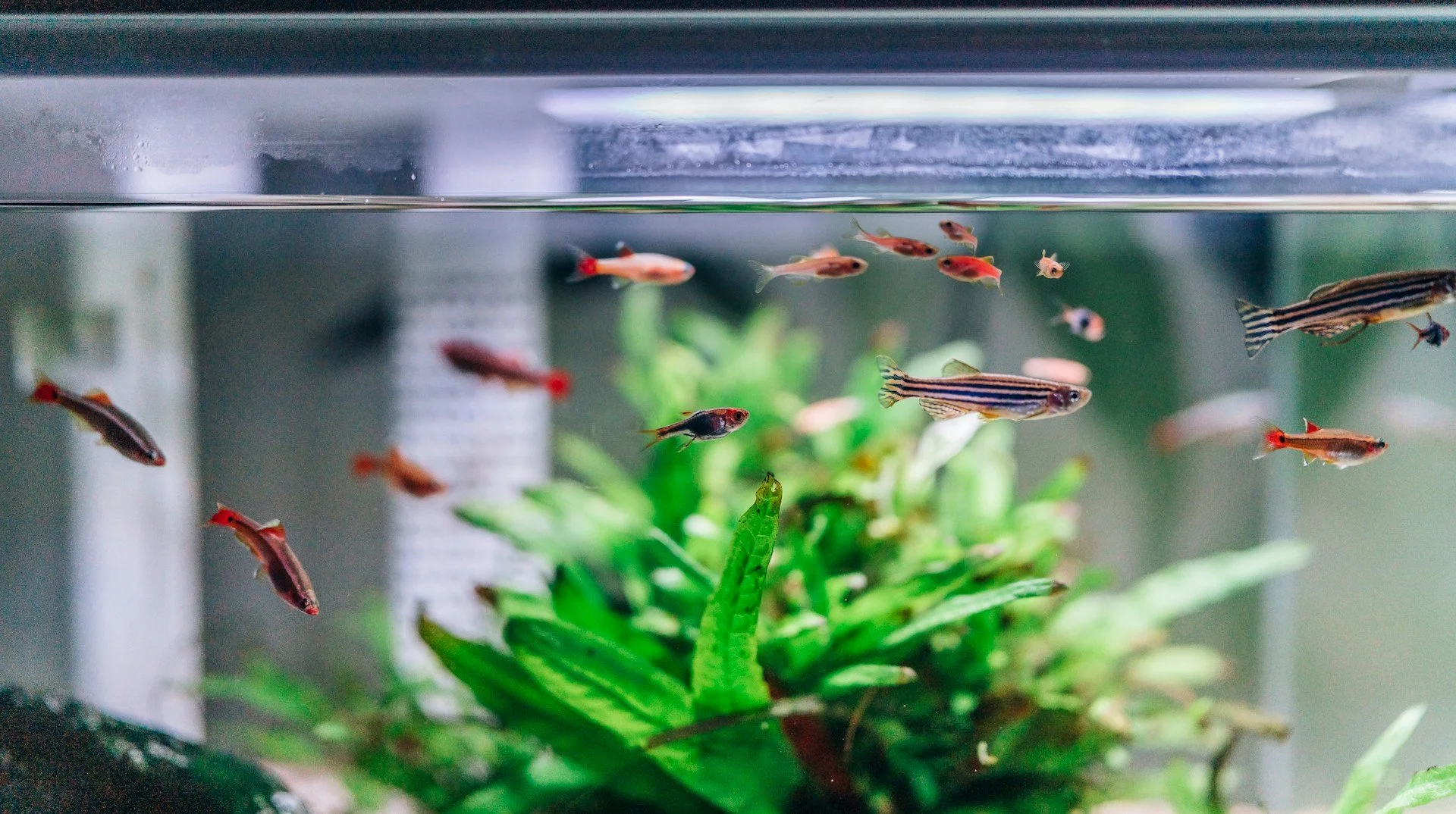
Chloramine is harmful to fish and aquatic plants, and it must be fully removed before water is used in aquariums or hydroponic systems. It can also interfere with certain medical devices that require purified water, such as CPAP humidifiers or home dialysis equipment.
Why Boiling or Letting Water Sit Out Doesn’t Work

Many people try to treat chloramine the same way they treat chlorine — by boiling water or letting it sit uncovered. Unfortunately, chloramine doesn’t evaporate. It stays chemically stable, which means these methods do nothing to remove it.
Why Basic Carbon Filters Don’t Work
Standard carbon filters (like the ones in pitcher filters or fridge filters) are designed to reduce chlorine, not chloramine. Chlorine evaporates and breaks down easily — chloramine doesn’t. It stays chemically intact, which means basic filters barely make a dent in taste, odour, or skin irritation.
What Actually Removes Chloramine
Catalytic Carbon Filtration (Whole‑Home)
Catalytic carbon is specially treated to break the bond between chlorine and ammonia. It’s the most effective way to remove chloramine from all the water entering your home, protecting:
skin and hair
laundry
plumbing components
appliances
drinking water taste
How 5 Star Water Solves the Chloramine Problem
Chloramine may be difficult to remove, but 5 Star Water offers solutions for Ontario homes. By using advanced filtration technologies and products from trusted brands, it becomes easy to enjoy better‑tasting, gentler water throughout the entire house.
Improves Taste, Smell, and Everyday Comfort
The right filtration system breaks down chloramine effectively, restoring clean, fresh‑tasting water for drinking, cooking, and bathing. Homeowners notice:
smoother, softer‑feeling water
reduced dryness or irritation
brighter laundry and less fading
better‑tasting coffee, tea, and cooking water
Ontario‑Specific Expertise
Water treatment needs vary across the province, and 5 Star Water understands the unique challenges in regions like Kitchener, Waterloo, Cambridge, Guelph, and surrounding areas. Recommendations are based on real local water data — not generic solutions — ensuring each home gets the right system for its water chemistry.
Kinetico Chloramine Reduction System
Kinetico’s chloramine‑focused filtration uses sulfaban engineered to break the chlorine‑ammonia bond that makes chloramine so persistent. This system is ideal for whole‑home protection, improving:
taste and odour
skin and hair comfort
plumbing and appliance lifespan
Hydrotech NRV (Non‑Regenerating Valve) System
Hydrotech’s NRV system uses catalytic carbon media to reduce chloramine and deliver clean, fresh‑tasting water without regeneration cycles. It’s a great fit for homeowners who want simplicity and strong performance.
When Homeowners Should Consider a System
Not every home needs a chloramine‑removal system, but there are clear signs that your water is being affected and that a dedicated solution could make a noticeable difference.
New Taste or Smell Issues
If your tap water suddenly tastes flat, metallic, or slightly chemical — even after running the tap — chloramine may be the cause.
Sensitive or Irritated Skin
People with eczema, psoriasis, or naturally sensitive skin often notice more irritation when chloramine levels are higher.
Rubber Seals Wearing Out Faster
If you’ve had to replace toilet flappers, washing machine hoses, dishwasher seals, or faucet O‑rings more often than expected, chloramine may be contributing.
Aquarium or Hydroponic Needs
Chloramine is harmful to fish and aquatic plants, so reliable removal is essential for these systems.
Wanting Better‑Tasting Water Without Bottled Water
A proper filtration system restores taste and gives you consistent, high‑quality water straight from the tap.
Conclusion
Chloramine isn’t dangerous, but it can be frustrating. From flat‑tasting water to dry skin and worn‑out plumbing parts, its effects show up in everyday routines — and they don’t go away on their own. The good news is that with the right filtration system, removing chloramine is straightforward and can make a noticeable difference in the comfort and quality of your home’s water.
If you’re dealing with taste or smell issues, sensitive skin, or simply want better‑tasting water without relying on bottled water, a quick water test can help you understand exactly what’s in your tap. 5 Star Water offers free consultations and can recommend the most effective solution based on local Ontario water conditions.
Cleaner, fresher water is absolutely within reach — and it starts with a simple conversation.
