
Why Hard Water Problems Feel Worse in Ontario Winter’s — And How to Solve It
Introduction
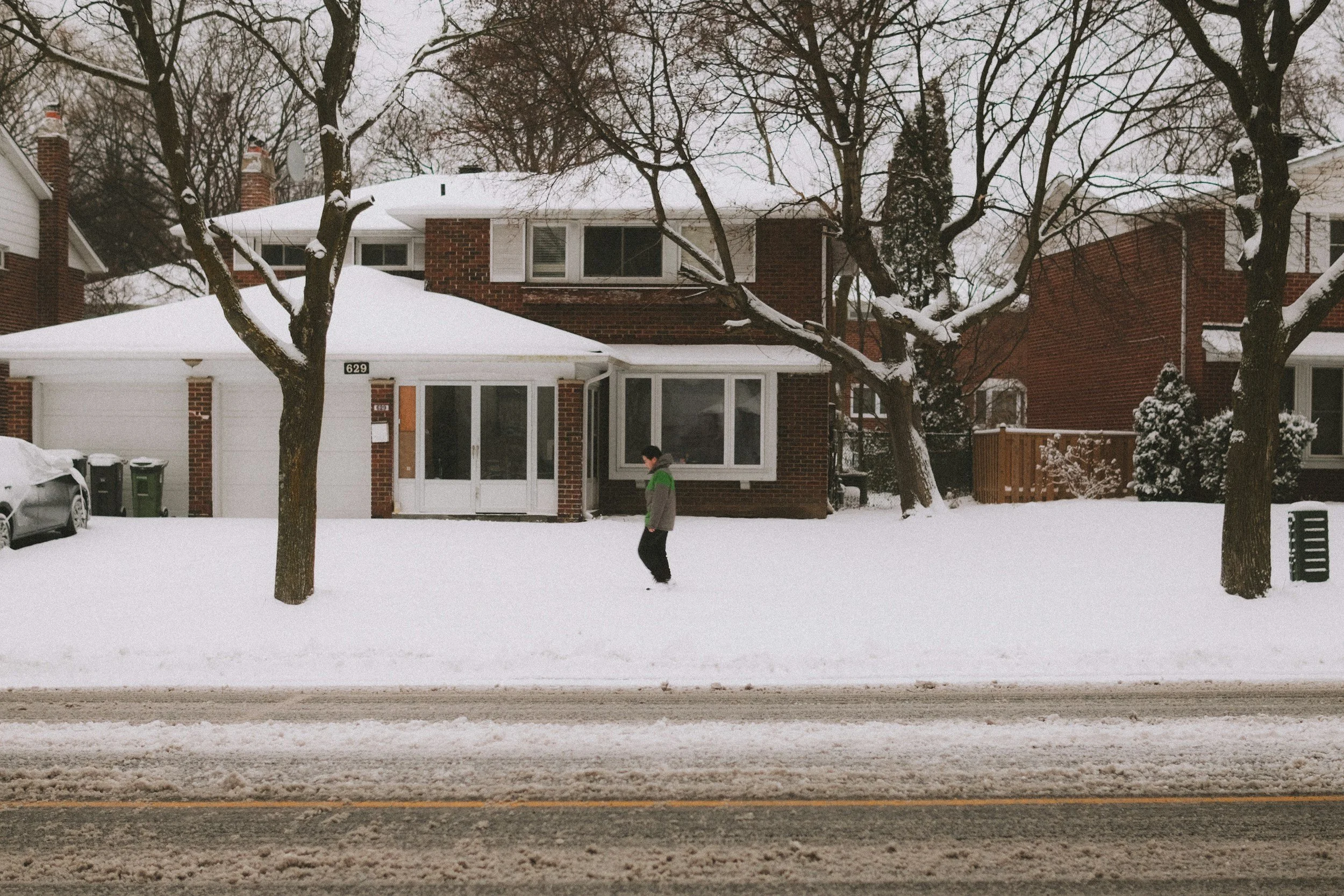
Cold mornings, dry skin, endless laundry, and showers that never quite feel “clean enough” — winter already brings its own set of frustrations. But when you add hard water into the mix, everything seems to get a little worse. Dishes look streakier. Soap feels harder to rinse off. Your hair won’t cooperate no matter what you try.
It’s not your imagination — winter really does make hard water problems more noticeable. And the reasons why are surprisingly simple once you understand what’s happening behind the scenes.
Before diving into the science, let’s take a quick look at why the cold season amplifies these everyday annoyances and what you can do to fix them any time of year.
What Hard Water Actually Is
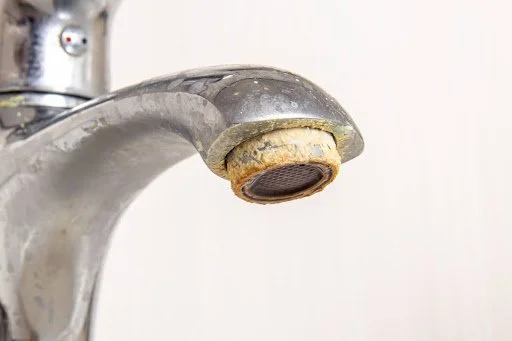
Hard water is simply water that contains higher‑than‑usual levels of dissolved minerals — mainly calcium and magnesium. These minerals aren’t harmful to drink, but they do change the way water behaves in your home.
When mineral‑heavy water flows through your pipes, fixtures, and appliances, it leaves behind a chalky residue called limescale. That buildup interferes with how soap lathers, how appliances heat water, and even how your skin and hair feel after a shower. Over time, those minerals start creating the everyday annoyances homeowners recognize all too well: cloudy dishes, stiff laundry, dry skin, and stubborn soap scum that never seems to scrub away.
Most people don’t think about the minerals themselves — they notice the effects. Hard water shows up in daily life through:
Soap that won’t lather well, making showers feel less effective
Residue on sinks, faucets, and glass, no matter how often you clean
Appliances working harder, especially water heaters and dishwashers
Skin and hair feeling dry or dull, even with good products
Once you understand that these issues all trace back to mineral buildup, it becomes much easier to see why hard water feels so disruptive — and why winter tends to make those symptoms even more noticeable.
Why Hard Water Feels Worse in Winter
Cold water chemistry
Increased hot water usage
Dry winter air + mineral residue
Appliances working harder
Municipal treatment changes (if applicable)
Winter doesn’t actually increase the amount of minerals in your water — but it does change the way those minerals behave. The result is a season where every hard‑water symptom feels amplified. Several factors work together to make the problem more noticeable.
Cold Water Chemistry Changes Everything
When temperatures drop, water naturally becomes colder as it travels through outdoor pipes and into your home. Cold water makes dissolved minerals like calcium and magnesium less soluble, meaning they’re more likely to separate out and form visible residue. That’s why you may see:
More white spots on dishes
Faster limescale buildup on faucets
Soap that feels harder to rinse off
Cold water simply doesn’t “hold” minerals as well, so they show up more clearly.
You Use More Hot Water — And Hard Water Loves Heat
Winter means longer showers, hotter baths, and appliances working overtime. The problem is that heating hard water accelerates mineral precipitation. As water warms up:
Minerals solidify faster
Scale forms more quickly inside water heaters
Soap scum becomes more stubborn
This is why water heaters often lose efficiency in winter — they’re fighting both the cold and the extra mineral load.
Dry Winter Air + Mineral Residue = Extra Irritation
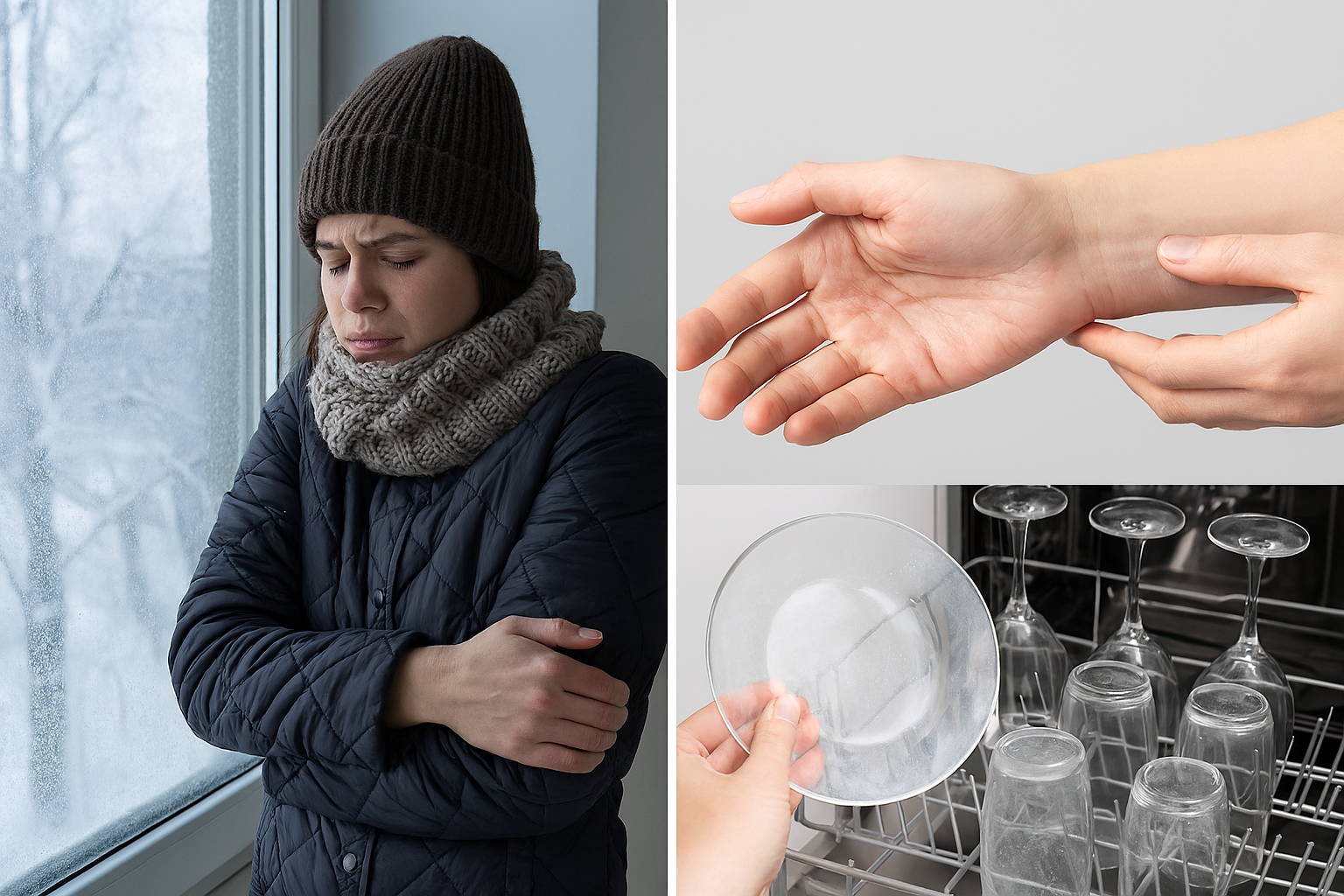
Indoor heating strips moisture from the air, leaving skin and hair already prone to dryness. Add hard water minerals on top, and the effect compounds:
Skin feels tight or itchy
Hair becomes dull or brittle
Moisturizers and conditioners don’t absorb as well
Mineral residue acts like a barrier, preventing your skin and hair from retaining moisture — which is why winter showers can feel especially harsh.
Appliances Work Harder in Cold Weather
Dishwashers, washing machines, and water heaters all have to work harder in winter because they’re starting with colder water. When hard water is involved:
Heating elements accumulate scale faster
Appliances take longer to reach temperature
Energy bills creep up
It’s not just a comfort issue — winter hard water can quietly increase household costs.
Short‑Term Fixes
Hard water may feel worse in winter, but you don’t have to wait for a full system upgrade to get some relief. These simple, low‑cost strategies can make daily life more comfortable while you plan a long‑term fix.
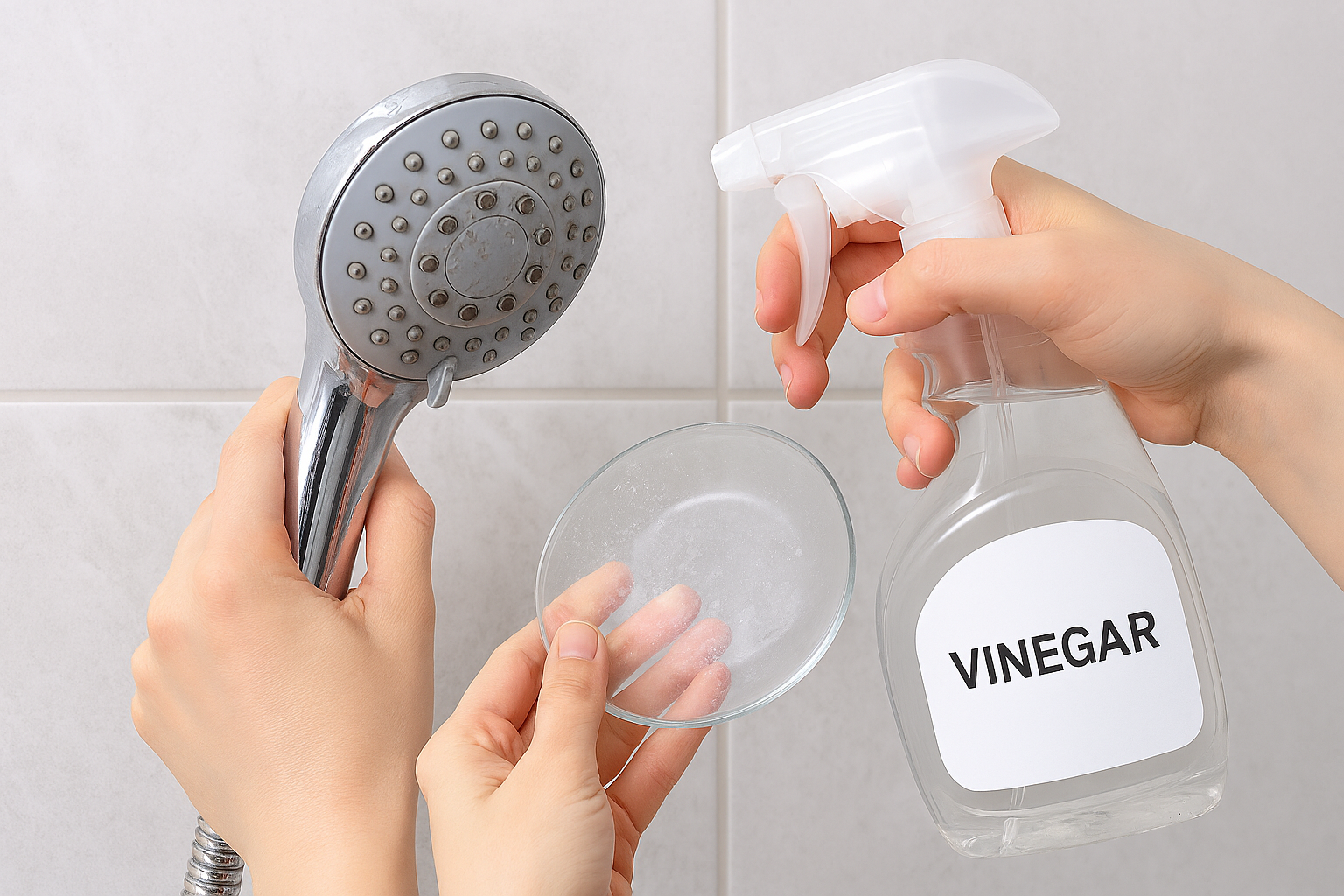
Use Vinegar Rinses to Cut Through Mineral Residue
Vinegar is one of the most effective short‑term tools for dissolving calcium and magnesium buildup. Homeowners can use it to:
Rinse hair to remove mineral film
Soak faucets or aerators to break down limescale
Wipe down glass and tile to reduce spotting
It won’t stop minerals from coming back, but it can make surfaces and fixtures look noticeably cleaner.
Clean Shower-heads for Better Water Flow
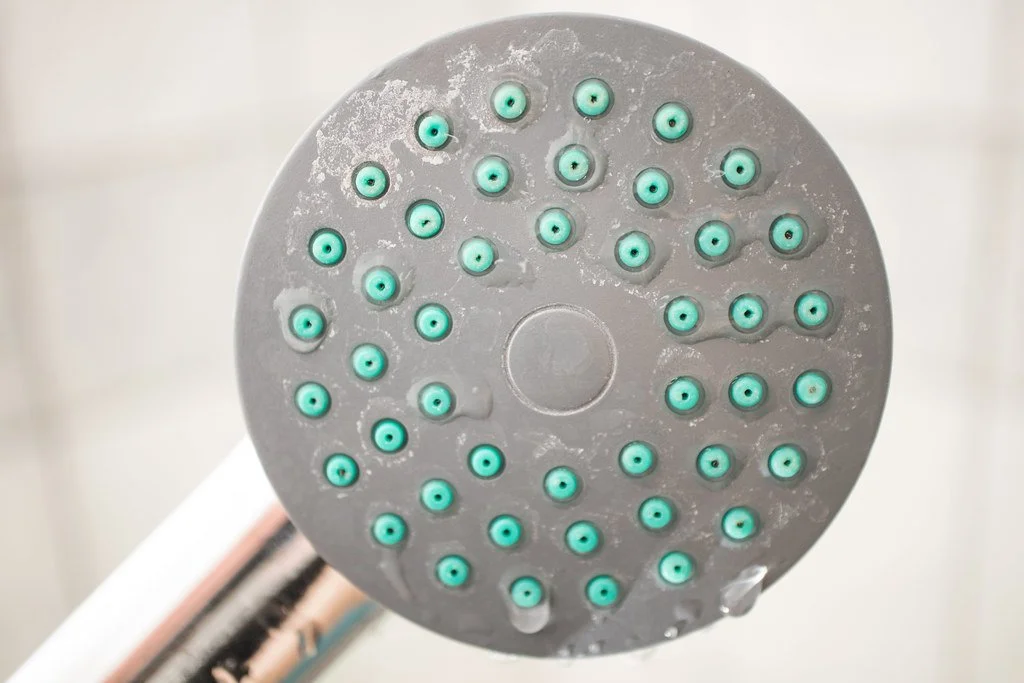
Mineral deposits often clog shower-head nozzles, especially in winter when buildup accelerates. A quick cleaning can restore pressure and improve your shower experience:
Remove the shower-head and soak it in vinegar
Or fill a bag with vinegar and secure it around the fixture
Scrub gently with a toothbrush to clear blocked holes
This simple step can make showers feel warmer and more refreshing.
Adjust Your Water Heater Temperature
Because winter water enters your home colder, your water heater works harder — and scale forms faster. A small temperature adjustment can help:
Increasing the temperature slightly can improve comfort
Lowering it a few degrees can slow mineral precipitation inside the tank
Either way, a seasonal adjustment can reduce strain and improve performance. (Always follow manufacturer guidelines for safe temperature ranges.)
Support Skin and Hair With Better Moisturizing Habits
Hard water minerals leave a residue that makes dryness worse — especially when indoor heating is already pulling moisture from the air. A few simple habits can help:
Use richer moisturizers or creams instead of lotions
Apply moisturizer immediately after showering
Choose hydrating shampoos and conditioners
Consider leave‑in conditioners to counteract mineral buildup
These strategies won’t remove the minerals, but they can make winter showers feel less harsh.
Long‑Term Fix: Water Softening
Short‑term fixes can make winter hard water more manageable, but they don’t address the minerals causing the problem. To truly eliminate the symptoms — year‑round — you need a solution that treats the water before it reaches your pipes, fixtures, and appliances.
How Water Softeners Actually Work
A water softener removes the minerals that create hard water in the first place. It uses a process called ion exchange, where:
Hardness minerals (calcium and magnesium) are captured
Softer minerals (usually sodium or potassium) are released into the water
The system periodically “regenerates” to flush out the collected minerals
The result is water that behaves the way it should — easier on your skin, your appliances, and your home.
Why Softeners Solve the Root Cause
Unlike surface cleaners, shower-head tricks, or temperature adjustments, a softener doesn’t just mask the symptoms. It eliminates the source of the problem:
No more mineral film on skin or hair
No more limescale on faucets or fixtures
No more cloudy dishes or stubborn soap scum
No more scale buildup inside water heaters and appliances
Because the minerals are removed before they enter your home’s plumbing, everything downstream works better and lasts longer.
Ontario‑Specific Context
Hard water isn’t just a seasonal inconvenience in Ontario — it’s a year‑round reality. But winter has a way of making those mineral‑related frustrations feel even more intense. Understanding the local water landscape helps explain why.
Ontario’s Groundwater Is Naturally Hard
Much of Ontario’s water supply comes from groundwater sources that flow through limestone and dolomite bedrock. As water moves through these mineral‑rich layers, it naturally absorbs calcium and magnesium — the very minerals that cause hard water.
That means many communities start with higher‑than‑average hardness levels before the water even reaches municipal treatment.
Municipal Hardness Levels Vary — But Most Are High
Across Ontario, hardness levels differ from city to city, but many municipalities fall into the “hard” to “very hard” range. Homeowners often see:
Noticeable mineral residue on fixtures
Cloudy dishes even after a full dishwasher cycle
Faster limescale buildup in water heaters
Dry skin and hair after showers
Even treated municipal water often retains enough minerals to cause these symptoms, especially in winter.
When to Call a Professional
Some winter hard water issues can be managed with quick DIY fixes, but there comes a point when the symptoms are too persistent — or too costly — to ignore. A professional can pinpoint the exact cause, recommend the right solution, and help protect your home from long‑term damage.
A Simple Checklist for Homeowners
If you’re noticing any of the following, it’s a good sign it’s time to call in a water expert:
Mineral buildup returning within days of cleaning
Water pressure dropping in one or more fixtures
Appliances running longer or less efficiently
Hot water running out faster than usual
Persistent dry skin or hair despite product changes
Cloudy dishes or laundry issues that won’t go away
These are all indicators that the underlying hardness level is more than a quick fix can handle.
Why a Professional Water Test Makes All the Difference
A water test is one of the simplest, most valuable steps a homeowner can take. It provides:
Accurate hardness levels, so you know exactly what you’re dealing with
Insight into other water quality factors, like iron or chlorine
A clear baseline for choosing the right softener or filtration system
Peace of mind, knowing your home’s water is fully understood
Most homeowners are surprised by how much a quick test reveals — and how much easier it becomes to choose the right long‑term solution once the numbers are clear.
If winter has you wondering what’s really going on with your home’s water, a quick water test is the easiest way to get clear answers. It’s fast, it’s free, and it gives you real numbers you can use to make confident decisions — whether you’re dealing with mild hard water or something more stubborn.
With local expertise and years of experience working with Ontario’s naturally hard water, 5 Star Water can help you understand exactly what’s in your water and what solutions make the most sense for your home. No pressure, no up-selling — just clarity and practical guidance.
If you’re ready to get a clearer picture of your water quality, a free test is a great place to start.
Winter is the perfect time to tackle hard water for good. Whether you’re curious about your water quality or ready to explore softening options, our team is here to help.
Get a free water test and personalized advice from a local expert — no pressure, just clarity.
