
The Cambridge Water Guide: Understanding Hardness, Chloramines, and Your Home
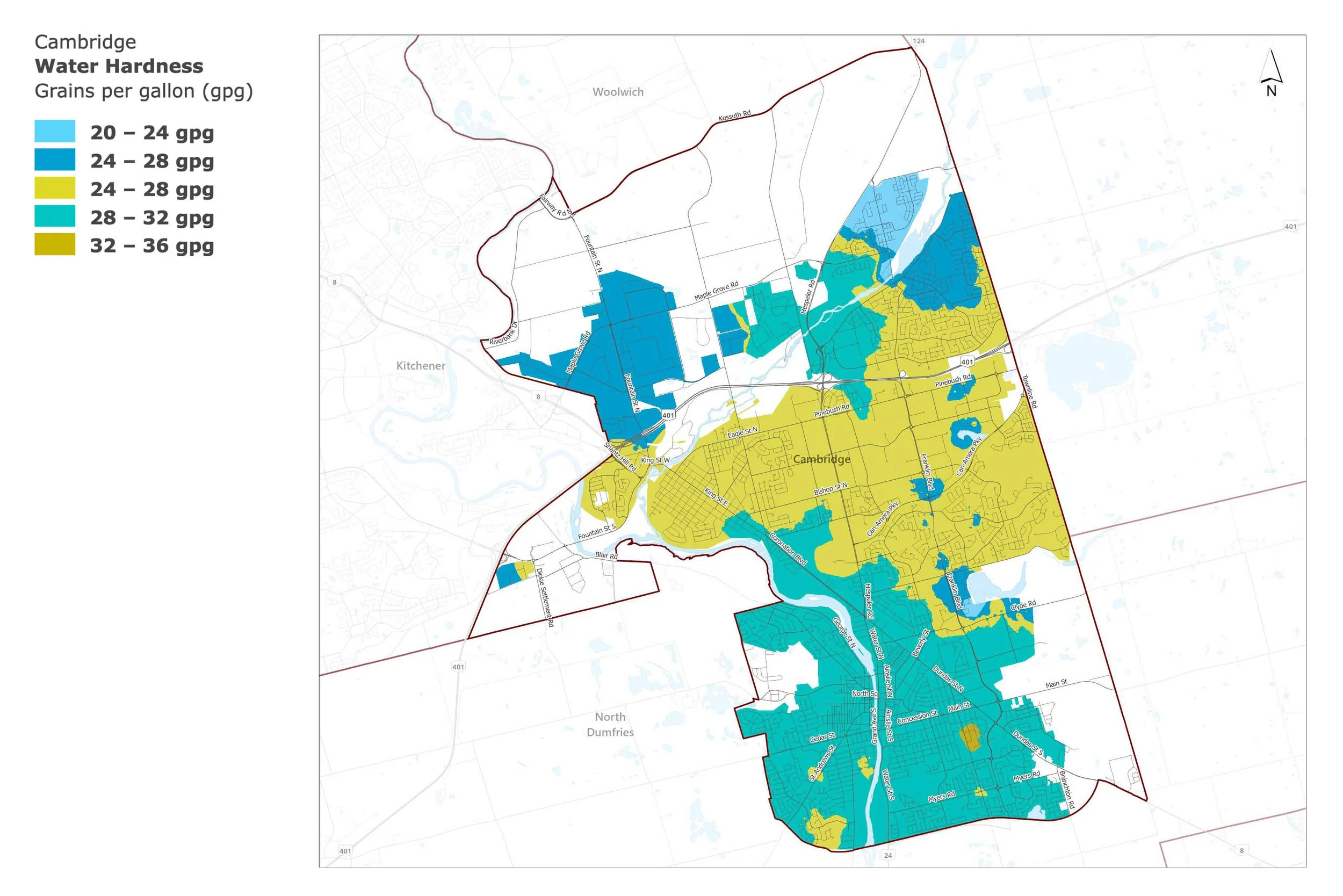
The 27 Wells Legacy: Why Cambridge Water is Unique
When you turn on the tap in Cambridge, you aren’t just getting city water—you are tapping into a complex piece of local history. While our neighbors in Kitchener and Waterloo face similar mineral challenges, the way water travels to your home in Cambridge is truly distinct.
The City of Cambridge relies on a sophisticated network of 27 supply wells, some of which have been serving our community since 1891. Approximately 80% of our water is drawn directly from these groundwater sources, which reach depths of up to 60 meters. The remaining 20% is sourced from the Grand River, treated, and mixed within the Mannheim aquifer before it ever reaches your pipes.
Because the highest-producing wells are located in the heart of the City, homeowners from Galt to Hespeler may experience different water profiles depending on their proximity to these specific groundwater sites. Our goal is to help Cambridge residents understand exactly what is in their unique local blend and, more importantly, how to protect their homes from the mineral intensity that comes with it.
Navigating Very Hard Water in the Region
While the history of our water is fascinating, the reality for your plumbing is often a challenge. In Cambridge, water is classified as very hard, typically ranging between 20 to 30+ grains per gallon.
This high mineral count is a byproduct of our groundwater traveling through limestone and dolomite bedrock before being pumped to the surface. For a local homeowner, this shows up in frustrating—and often expensive—ways:
Scale Buildup: Persistent white crust on showerheads, faucets, and inside your kettle.
Appliance Fatigue: Reduced efficiency and a shorter lifespan for high-value appliances like water heaters and dishwashers.
Physical Effects: Hard water minerals prevent soap from lathering properly, often leading to dry, itchy skin and dull hair after showering.
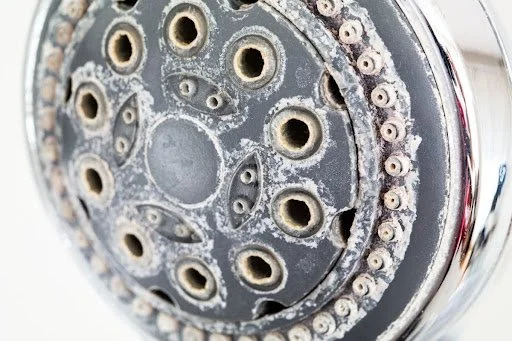
Hard water scale buildup on a Cambridge home bathroom fixture.
The Chloramine Difference: Beyond Just Hardness
While the 27 wells provide the bones of Cambridge's water, the way that water is treated adds another layer of complexity. Most homeowners are familiar with chlorine, but the City of Cambridge—along with Kitchener and Waterloo—uses a disinfectant called chloramine.
What are Chloramines? Chloramine is a long-lasting disinfectant created by combining chlorine with a small amount of ammonia. Municipalities use it because it stays active in large pipe networks longer than standard chlorine, ensuring the water remains safe as it travels from those 27 wells to the furthest edges of the city.
The Impact on Your Home While effective for safety, chloramines present unique challenges that a standard “Big Box” water softener isn't designed to handle:
Taste and Odor: A persistent medicinal or swimming pool scent that standard carbon filters struggle to remove.
Plumbing Wear: Chloramines are more aggressive than chlorine toward rubber, leading to premature failure of toilet flappers, faucet seals, and appliance gaskets.
Skin Sensitivity: The ammonia-chlorine bond can feel harsher on sensitive skin or conditions like eczema.
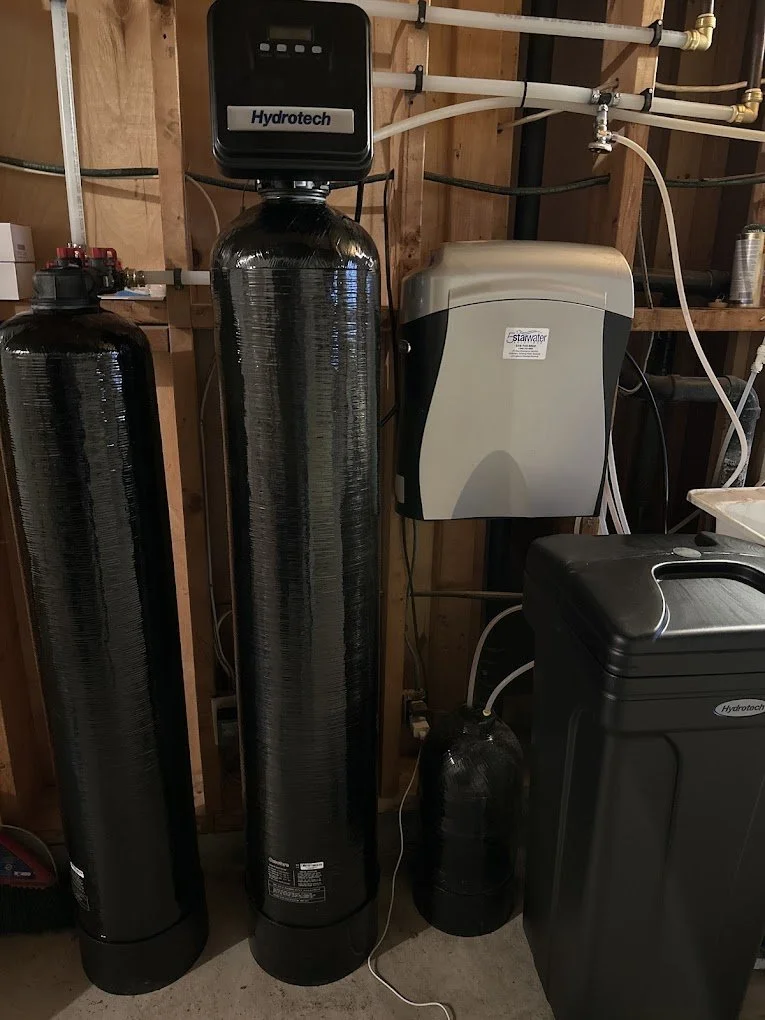
At 5 Star Water Solutions We don't just soften the water; we refine it. 5 Star Water systems utilize specialized high-capacity catalytic carbon media specifically engineered to break the ammonia-chlorine bond. While most retail units focus solely on calcium removal, our professional-grade systems provide a dual-stage defense for clean, refreshing water.
Local Expertise: From Galt to Hespeler
National brands and "Big Box" retailers treat every home the same, but we know that water in Cambridge is anything but standard. Because the City draws from 27 different wells, the mineral footprint in a historic home in Galt can differ significantly from a newer development in Hespeler or a business in Preston.
At 5 Star Water, we provide boots on the ground expertise:
Precision Calibration: We program your system based on the exact grains of hardness at your specific street address.
Neighborhood Knowledge: We understand how the aging infrastructure of the 1891-era wells impacts local sediment and pressure.
Efficiency: By calibrating to your local profile, we ensure your system uses the minimum amount of salt and water necessary.
The Long-Term Benefits of Specialized Treatment
Investing in a system designed for Cambridge’s unique 80/20 groundwater-river blend is an investment in your home’s infrastructure. The benefits are immediate:
Appliance Longevity: Protect your laundry machines and dishwashers from the "silent killer" of internal scale buildup.
Superior Drinking Water: Paired with Reverse Osmosis, our systems provide bottled-water quality directly from your tap.
Infrastructure Protection: Neutralizing chloramines protects the seals and gaskets throughout your plumbing, preventing expensive slow leaks.
Experience the 5 Star Difference
Cambridge is a city built on a rich history of water, from the banks of the Grand River to the deep wells that have sustained us for over a century. Your home deserves a water strategy that respects that history and addresses these modern challenges.
5 Star Water is proud to be a local partner for Southwestern Ontario homeowners. We don’t just sell equipment; we provide peace of mind through science-backed solutions and personalized service.
Ready to see what’s actually in your water? We invite all Cambridge residents to book a free, no-obligation water test. We’ll visit your home, measure your exact hardness and chloramine levels, and show you how to protect your plumbing for the long haul.
Sources & Local Data
To ensure the highest level of accuracy for our Cambridge neighbors, the data in this guide is compiled from the following official and regional sources:
City of Cambridge Water Services: Information regarding the 27 municipal wells, the 1891 infrastructure history, and the 80/20 groundwater-to-river blend.
Region of Waterloo Water Quality Reports: Technical data on the use of chloramines for secondary disinfection across the Mannheim Service Area.
WaterSoftenerFacts.ca: Comparative regional hardness scales and mineral impact studies for Ontario households.